
Uncovering the hidden costs of frequenting casinos
Understanding the Financial Implications
When people think about the costs associated with visiting a casino, they often focus solely on the money spent at the gaming tables or slot machines. However, the financial implications extend far beyond this initial outlay. Many individuals may overlook additional expenses such as transportation, parking fees, and even accommodation if they plan to stay overnight. For those seeking to manage their budget effectively, exploring options for online casino instant withdrawal can be beneficial, as these seemingly minor charges can accumulate quickly, significantly increasing the overall financial burden of a casino visit. By considering these aspects, one can paint a clearer picture of the true costs involved in regular casino outings.
Moreover, it’s important to consider how the atmosphere of a casino can lead to unplanned spending. The design and ambiance of these establishments are meticulously crafted to encourage guests to spend more money. Bright lights, sounds of winning, and free drinks can create an exhilarating experience that may cause individuals to lose track of their budgets. As the night progresses, it’s easy to justify another round of bets or an extra drink, leading to potentially severe financial consequences. This phenomenon is often referred to as the “casino effect,” where the sensory overload can lead to impulsive financial decisions.
Additionally, the lure of gambling can often overshadow the risks associated with it. Many visitors may find themselves participating in high-stakes games without fully understanding the odds or their limits. This lack of awareness can result in substantial losses, further complicating their financial situation. Therefore, it becomes crucial to recognize and analyze all expenses associated with a trip to the casino, not just the bets placed at the tables. Being mindful of these hidden costs can help individuals make informed decisions and avoid unnecessary financial pitfalls.
The Emotional Toll of Gambling
The emotional costs of frequenting casinos can be just as significant, if not more so, than the financial implications. Many people may experience feelings of stress, anxiety, or guilt associated with gambling. The pressure to win can lead to emotional swings, impacting mental health and overall well-being. This emotional rollercoaster often creates a turbulent environment for individuals, especially if they are facing losses that strain their financial stability. Recognizing these feelings is the first step toward addressing them and finding healthier coping mechanisms.
Moreover, the social dynamics of gambling can further complicate the emotional landscape. Individuals might feel compelled to keep up with friends or family who gamble, leading to unhealthy competition and peer pressure. This can result in poor decision-making, where the need to maintain a certain image or level of play outweighs rational financial considerations. Consequently, what starts as a social activity can morph into a source of significant emotional distress. It’s crucial to understand that gambling should be a form of entertainment, not a means to showcase financial prowess.

Understanding the emotional toll is crucial for anyone considering frequent visits to casinos. A gambler might initially enjoy the thrill of the game, but over time, the emotional costs can escalate. Individuals may begin to isolate themselves or develop negative coping mechanisms as they deal with their gambling experiences. Recognizing these emotional costs is the first step toward making more responsible choices and seeking help if needed. By fostering a healthy relationship with gambling, individuals can enjoy the activity without letting it adversely affect their emotional health.
Impact on Relationships
Frequent visits to casinos can also have a significant impact on personal relationships. Gambling can be a solitary activity, but it often affects loved ones who may be unaware of the extent of an individual’s gambling habits. Partners and family members might feel the strain as financial instability becomes apparent, leading to tension and arguments. Trust issues can arise when one partner is secretive about their gambling expenses, leading to emotional rifts. The fallout from these issues can lead to long-lasting damage, making it essential to address them promptly.
Furthermore, the time commitment associated with regular casino visits can detract from quality time spent with family and friends. Individuals may prioritize gambling over social gatherings, family activities, or fulfilling responsibilities. This shift in priorities can create feelings of resentment among loved ones, leading to further conflicts and a breakdown in communication. Ultimately, gambling can create a wedge that separates individuals from those who care about them most. It is crucial to maintain a balance between personal interests and relationships to foster a supportive environment.
Addressing these relational dynamics is essential for maintaining healthy connections. Open communication about gambling habits and their effects can foster understanding and allow for the establishment of boundaries. By being transparent, individuals can work toward rebuilding trust and reconnecting with family and friends who have been affected by their gambling activities. It’s vital to recognize that the social and relational costs of frequenting casinos can be just as detrimental as the financial ones. Building a support system can help mitigate these effects and encourage more responsible gambling practices.
Long-Term Consequences of Gambling Habits
Over time, the consequences of frequenting casinos can lead to chronic gambling problems, which are classified as a behavioral addiction. This escalation can have far-reaching effects on an individual’s life, including career setbacks, financial ruin, and severe mental health issues. The cycle of gambling can become a compulsive behavior where the individual feels trapped, constantly chasing losses and hoping for a big win that never comes. Understanding this cycle is essential for recognizing when gambling has transitioned from a leisure activity to a harmful obsession.
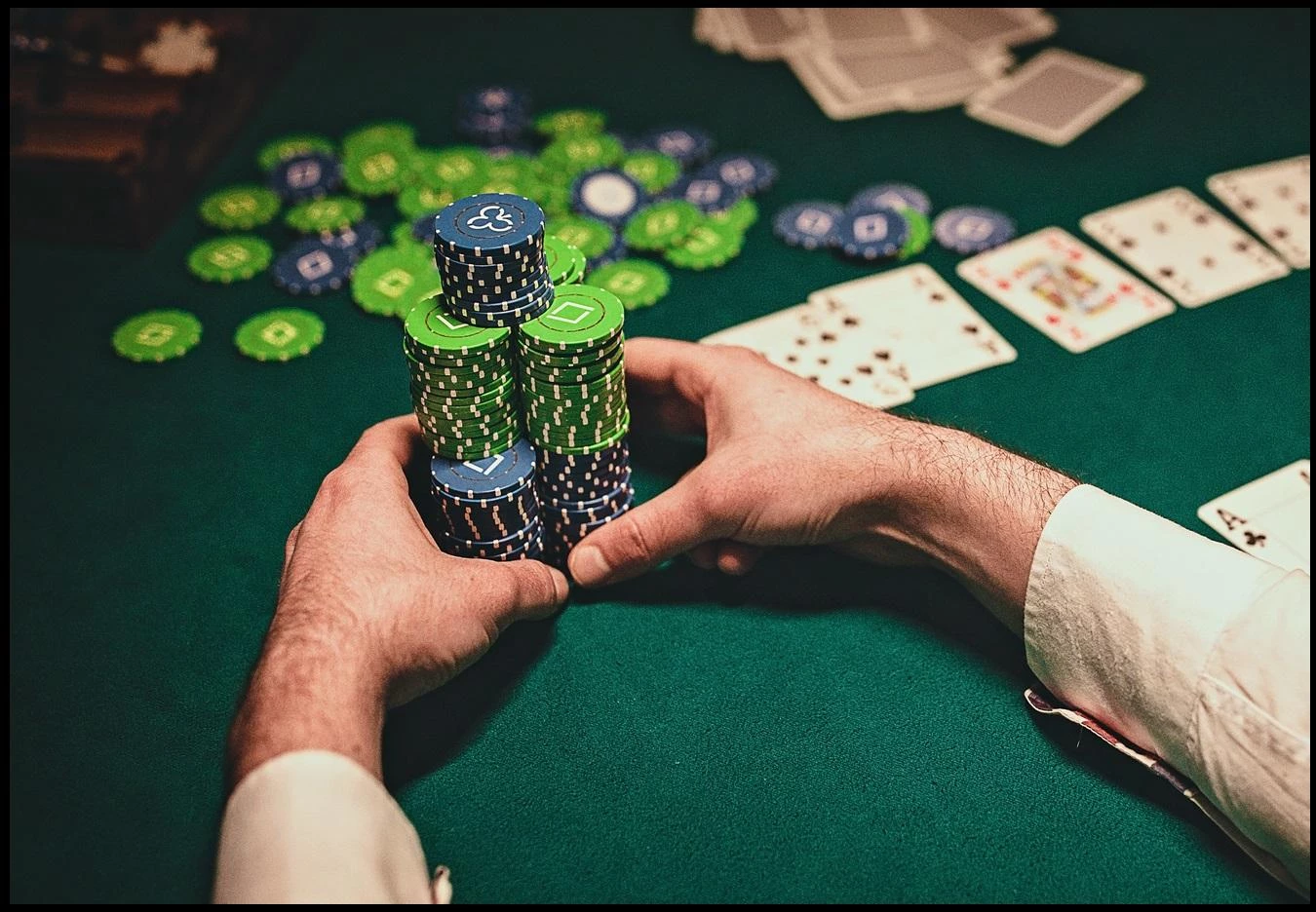
In addition, the financial ramifications of gambling addiction can be devastating. Many individuals may deplete their savings or fall into debt as they chase their next win. The stress of financial instability can lead to a myriad of problems, including bankruptcy, loss of job security, and ultimately affecting one’s ability to maintain a stable lifestyle. The long-term impacts of these gambling habits can result in a cycle of stress and despair that is difficult to escape. Seeking assistance early can help break this cycle and promote recovery.
Recognizing the signs of a gambling problem early on is crucial for mitigating these long-term consequences. Seeking help from support groups or professionals can provide individuals with the tools they need to manage their gambling habits. It’s important to acknowledge that the hidden costs of frequenting casinos extend beyond immediate financial implications, potentially affecting every aspect of a person’s life in the long run. By prioritizing mental health and seeking support, individuals can work toward a healthier relationship with gambling.
Exploring Responsible Gambling Resources
As awareness of the hidden costs associated with gambling becomes more widespread, resources for responsible gambling have proliferated. Various organizations offer support and guidance for individuals who recognize that their gambling habits may be causing issues. These resources can include counseling services, informational websites, and community support groups designed to help individuals reclaim control over their gambling behaviors. Utilizing these resources can be a vital step toward ensuring a balanced approach to gambling.
Many casinos have also begun to take responsibility, implementing programs that promote responsible gambling and provide resources for those who may be struggling. These initiatives often include self-exclusion programs, information on gambling odds, and educational materials about the risks of gambling. By promoting a culture of awareness and responsibility, the industry is beginning to address the very real hidden costs associated with gambling. This shift toward accountability is a positive development for both players and the industry.
For those interested in learning more about responsible gambling, numerous websites exist that outline strategies for maintaining control while enjoying casino gaming. These platforms offer valuable insights into setting limits, recognizing triggers, and seeking help when necessary. It’s essential for anyone who frequents casinos to be aware of these resources and prioritize their well-being, ensuring that their experiences remain enjoyable and safe. By fostering a responsible gambling culture, individuals can enjoy the thrill of the game without compromising their financial and emotional health.
Commentaires récents