
Can luck really influence your casino outcomes?
The Nature of Luck in Gambling
Luck has always been a fundamental aspect of gambling, particularly in casinos where the outcome of games relies heavily on chance. For many players, luck represents a mysterious force that can swing the odds in their favor or lead to unexpected losses. This intriguing element adds to the thrill of playing games, as no one can predict how luck will play out in each session. Many enthusiasts appreciate the excitement of trying their luck at a reputable casino online , as it’s this randomness that makes each gamble unique and engaging, sparking debates about whether one’s fate is merely a roll of the dice.
The concept of luck varies significantly among players. Some see it as a divine gift, attributing their wins to fortunate circumstances beyond their control, while others adopt a more analytical approach, focusing on strategies and calculations. Regardless of perspective, the interplay between calculated decisions and sheer luck remains a significant point of fascination in the gambling world. The diversity of gaming experiences enhances the allure of casinos, creating an environment where luck can be both a friend and a foe.
Moreover, psychological factors play a crucial role in how luck affects casino outcomes. Players often experience a phenomenon known as the “gambler’s fallacy,” where they believe that past outcomes can influence future ones. For instance, if a player has lost several times in a row, they might feel that a win is due, giving them a false sense of control over the outcome. This mindset reinforces the belief in luck’s influence and can significantly shape a person’s gambling behavior, impacting how they approach their gaming strategies and decisions.
The Role of Probability and House Edge
While luck is an undeniable factor in casino games, understanding probability and the house edge offers a more comprehensive view of how outcomes are determined. Every game has a mathematical foundation that dictates the likelihood of winning or losing. For instance, in games like roulette or slots, the odds are formulated to ensure that, over time, the casino maintains a certain percentage of wins, known as the house edge. This means that while individual outcomes may seem influenced by luck, statistically, the house is designed to win more often than players.
Players who are aware of the house edge can make more informed decisions when choosing games. Understanding the game’s mechanics and odds can tilt the balance in favor of those who take the time to analyze their options. For example, blackjack, with a lower house edge when played with optimal strategy, offers players better long-term prospects than games like keno, where the odds are significantly stacked against them. Thus, while luck plays a role, players equipped with knowledge about probabilities can enhance their chances of success.
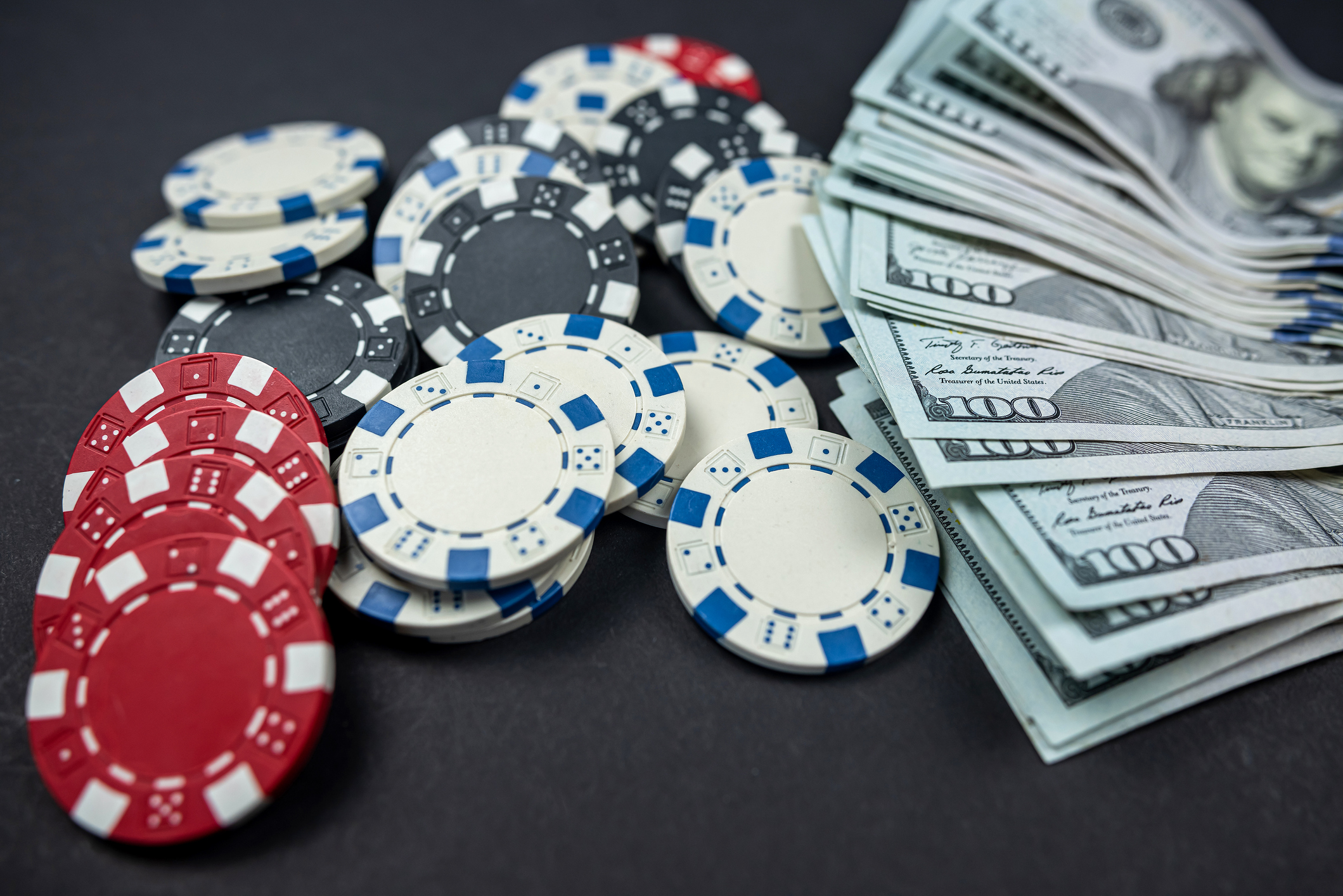
Ultimately, the relationship between luck and skill is intricate. In skill-based games, players can apply strategies to mitigate losses and capitalize on wins, while games purely based on chance leave outcomes largely to luck. Recognizing this distinction helps players understand where their efforts can be best utilized. While they may hope for luck to shine on them, it’s vital to respect the role of probability and strategy in the broader context of casino gaming.
The Psychology of Luck and Belief Systems
The psychology behind luck in gambling is fascinating, as it reveals how beliefs and emotions can shape players’ experiences and outcomes. Many gamblers develop personal rituals or superstitions that they believe will attract luck. This phenomenon can be seen in various practices, such as wearing “lucky” clothing or performing specific actions before placing bets. Such rituals create a sense of control over uncertain outcomes, allowing players to feel more confident and engaged in their gameplay.
Interestingly, psychological studies have shown that hopeful thinking and a positive mindset can influence how players perceive their experiences in casinos. When individuals believe that they are lucky, they are more likely to engage in gambling activities and take risks, which can lead to both positive and negative outcomes. This belief system creates a self-fulfilling prophecy, reinforcing the idea that luck can indeed sway results. This has implications not only for individual players but also for the casino industry as a whole, which thrives on the psychological aspects of gambling.
This psychological component is further complicated by the social dynamics present in casino environments. Players often interact with one another, sharing stories of wins and losses, which can create a communal atmosphere that enhances the belief in luck. The excitement of winning can become infectious, leading others to feel inspired and hopeful about their chances. Conversely, losing streaks can dampen the mood and make players question their luck. Thus, luck is not only a solitary experience but also a collective phenomenon shaped by social interactions and narratives shared within the casino space.
Strategies to Enhance Your Gambling Experience
Given the dual nature of luck and skill in gambling, players can adopt various strategies to enhance their casino experiences. First and foremost, setting clear budgets is essential. By establishing spending limits, players can enjoy the thrill of gambling without falling prey to the risks associated with excessive loss. This financial discipline allows players to partake in games with a more relaxed mindset, where enjoyment takes precedence over the pressure to win.
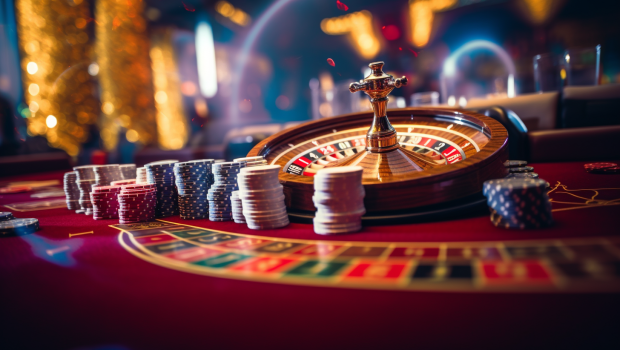
Additionally, players should consider diversifying their game choices. Exploring different types of games not only heightens the overall experience but also allows individuals to find those where they may possess more skill or understanding. For example, someone who excels at card games may prefer blackjack, while another may thrive in the fast-paced world of slots. Each game comes with different odds, strategies, and differing degrees of luck involved, making it crucial for players to find their niche.
Finally, keeping an open mind about luck can positively affect one’s emotional state while gambling. By acknowledging that outcomes can be unpredictable and that both winning and losing are part of the experience, players can cultivate a healthier relationship with gambling. Accepting that luck is merely one component of an intricate puzzle allows for a more profound appreciation of the game, fostering a sense of enjoyment regardless of the results.
Where to Learn More About Gambling
If you’re looking to deepen your knowledge about gambling, various resources are available that cater to all levels of experience. From beginner guides that introduce the basics of casino games to advanced strategy books that delve into specific techniques, there is a wealth of information out there. Websites dedicated to gambling strategies, forums where players share their experiences, and online courses can further enhance your understanding of the interplay between luck and skill.
Many casinos also offer workshops or events that provide insights into gameplay strategies and responsible gambling practices. Participating in these events can help players learn from professionals and enhance their gaming skills. Additionally, leveraging online platforms that simulate casino games can allow individuals to practice without financial risks, thus improving their understanding of game mechanics and the role of luck.
Ultimately, educating oneself about gambling not only enriches the experience but also empowers individuals to make informed decisions. Whether you are a casual player or a serious gambler, the knowledge gained can help you navigate the intricate landscape of casinos, balancing the whims of luck with strategic gameplay. Embracing this multifaceted approach will lead to a more satisfying and potentially successful gambling journey.
Commentaires récents